
Artistic tree shaping: principles and methods.
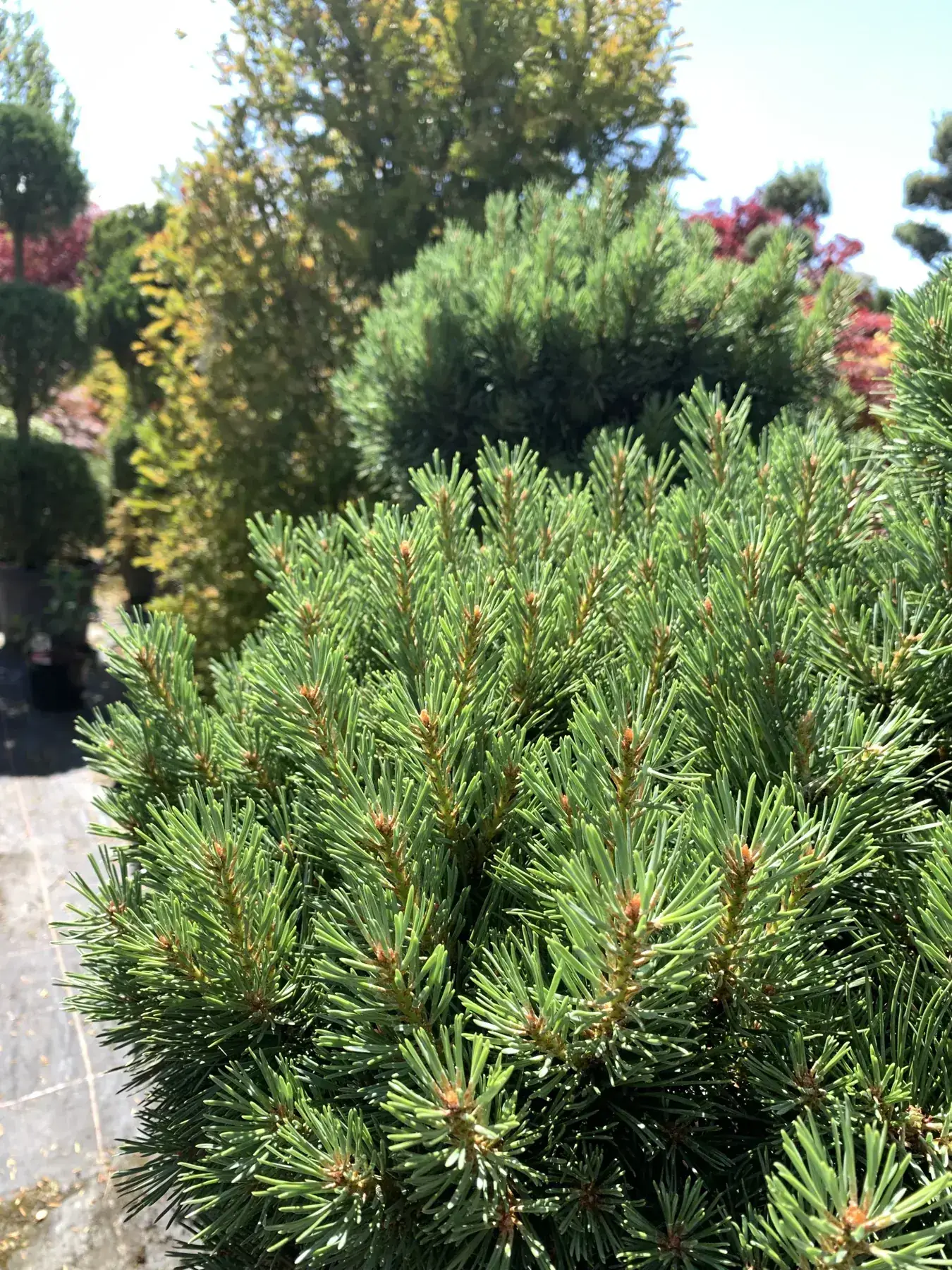
An ordinary garden tree can become a remarkable, calm and living form. Not by applying a quick template, but by reading the tree: trunk movement, branch structure, inner empty spaces, light windows and how the tree reacts.
Cloud pruning is described by the RHS as a Japanese method of training trees and shrubs into cloud-like forms; Niwaki means garden tree. I use bonsai thinking for proportion, movement and future buds, but I shape a living garden tree, not a decorative object.
Species, age, trunk movement, supporting branches and inner strength show what form is possible.
Good form needs air, light, distance and quiet empty areas between masses.
Every cut decides which bud, branch and silhouette will build the next years.
The key method is selective work. A hedge trimmer smooths the surface; artistic pruning decides inside the crown: which line carries character, which branch drains strength and where the crown must be opened so the tree can respond well.